A market growing from USD 15 billion to USD 28 billion in nine years tells you something about how construction is changing. The real question isn't how big the market is. It's why elevated access equipment is growing this fast, and what it reveals about where construction is heading.
The global aerial work platform (AWP) market is projected to nearly double by 2034. That's more than a market statistic. It's a signal that construction, infrastructure, and industrial maintenance are becoming more complex, more safety-conscious, and increasingly dependent on efficient elevated access. Boom lifts, scissor lifts, and vertical mast lifts rarely make headlines. They are workhorses.
What's driving the growth? Three industry trends stand out. First, taller and more complex structures. High-rise buildings, advanced façades, MEP installations, and industrial facilities all require safe, reliable access throughout construction and maintenance. Second, ageing infrastructure. Bridges, elevated highways, ports, power infrastructure, and industrial plants built decades ago now require large-scale inspection and rehabilitation, creating sustained demand for elevated access. Third, renewable energy expansion. Wind turbines, utility-scale solar installations, and transmission infrastructure have created entirely new applications for aerial platforms.
The electrification shift Electric and hybrid AWPs are becoming increasingly common. The benefits are practical: zero exhaust emissions in enclosed spaces, lower noise, reduced operating costs, and easier compliance with urban environmental standards. For concrete construction, this means safer and cleaner access during façade inspection, soffit repairs, slab finishing, and post-tensioning work inside enclosed structures.
Safety remains the biggest driver Falls from height remain one of construction's leading causes of fatalities. Properly selected, maintained, and operated aerial work platforms significantly reduce that risk. But equipment alone isn't enough. Platform selection, operator training, and disciplined maintenance ultimately determine whether an AWP improves safety or introduces new hazards.
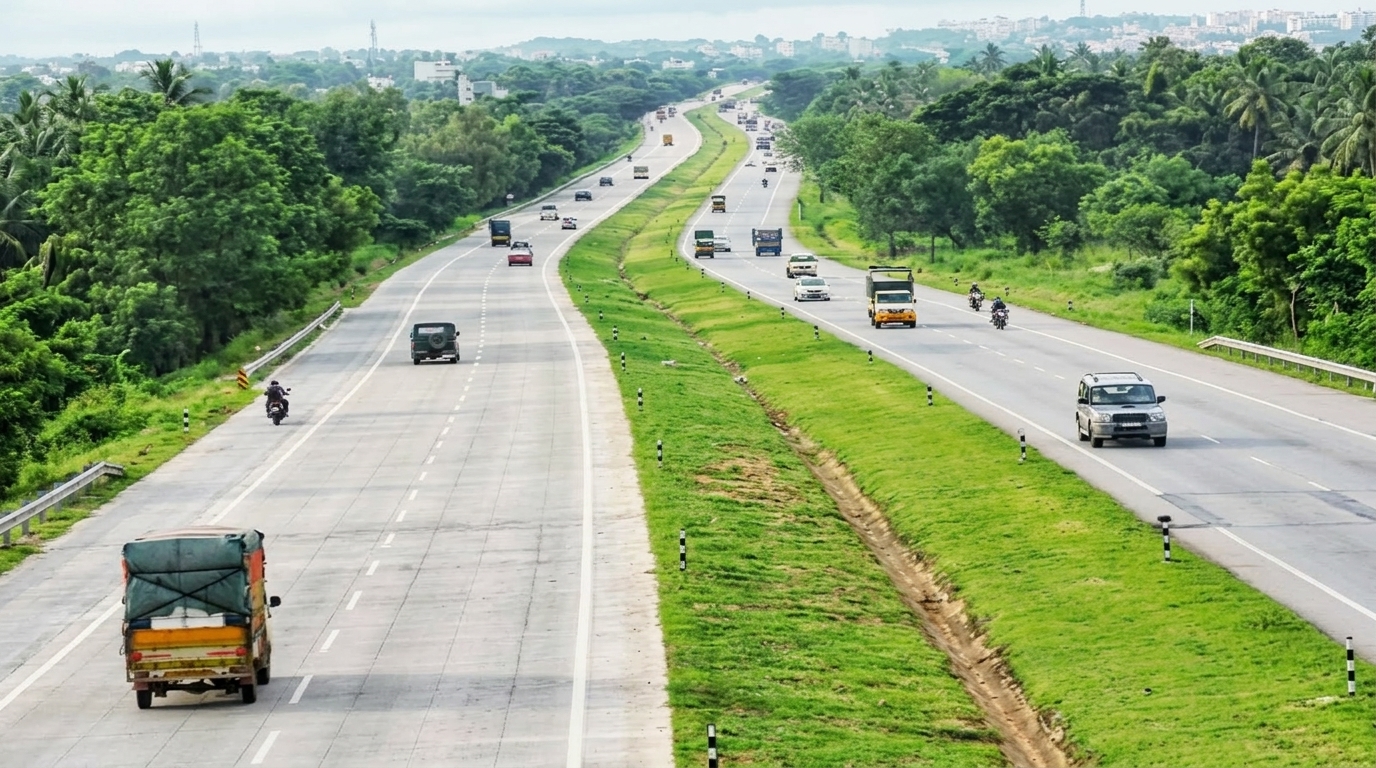
The India opportunity India's expanding highways, metro networks, airports, industrial corridors, and urban redevelopment projects are accelerating demand for elevated access equipment. At the same time, the country's growing stock of ageing infrastructure is creating long-term maintenance requirements, making India one of the most promising growth markets for this sector.
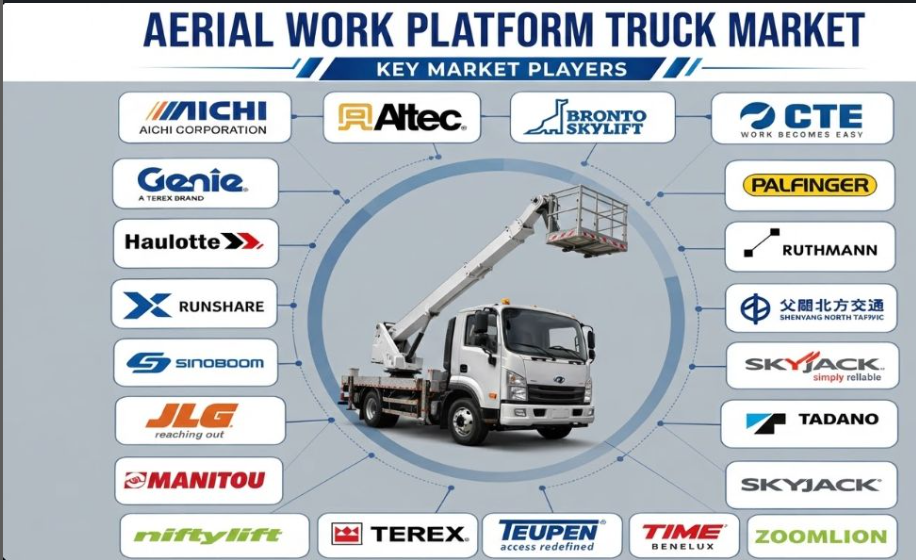
The global aerial work platform (AWP) market is projected to nearly double by 2034. That's more than a market statistic. It's a signal that construction, infrastructure, and industrial maintenance are becoming more complex, more safety-conscious, and increasingly dependent on efficient elevated access. Boom lifts, scissor lifts, and vertical mast lifts rarely make headlines. They are workhorses.
What's driving the growth?
Three industry trends stand out. First, taller and more complex structures. High-rise buildings, advanced façades, MEP installations, and industrial facilities all require safe, reliable access throughout construction and maintenance. Second, ageing infrastructure. Bridges, elevated highways, ports, power infrastructure, and industrial plants built decades ago now require large-scale inspection and rehabilitation, creating sustained demand for elevated access. Third, renewable energy expansion. Wind turbines, utility-scale solar installations, and transmission infrastructure have created entirely new applications for aerial platforms.
The electrification shift
Electric and hybrid AWPs are becoming increasingly common. The benefits are practical: zero exhaust emissions in enclosed spaces, lower noise, reduced operating costs, and easier compliance with urban environmental standards. For concrete construction, this means safer and cleaner access during façade inspection, soffit repairs, slab finishing, and post-tensioning work inside enclosed structures.
Safety remains the biggest driver
Falls from height remain one of construction's leading causes of fatalities. Properly selected, maintained, and operated aerial work platforms significantly reduce that risk. But equipment alone isn't enough. Platform selection, operator training, and disciplined maintenance ultimately determine whether an AWP improves safety or introduces new hazards.
The India opportunity
India's expanding highways, metro networks, airports, industrial corridors, and urban redevelopment projects are accelerating demand for elevated access equipment. At the same time, the country's growing stock of ageing infrastructure is creating long-term maintenance requirements, making India one of the most promising growth markets for this sector.
hashtag#CastInConcrete hashtag#Buildonomics hashtag#CICPodcast hashtag#AerialWorkPlatform hashtag#ConstructionEquipment hashtag#ConstructionSafety hashtag#IndiaInfrastructure hashtag#SmartConstruction hashtag#InfrastructureDevelopment hashtag#ConstructionTechnology
- Buildonomics Research Team