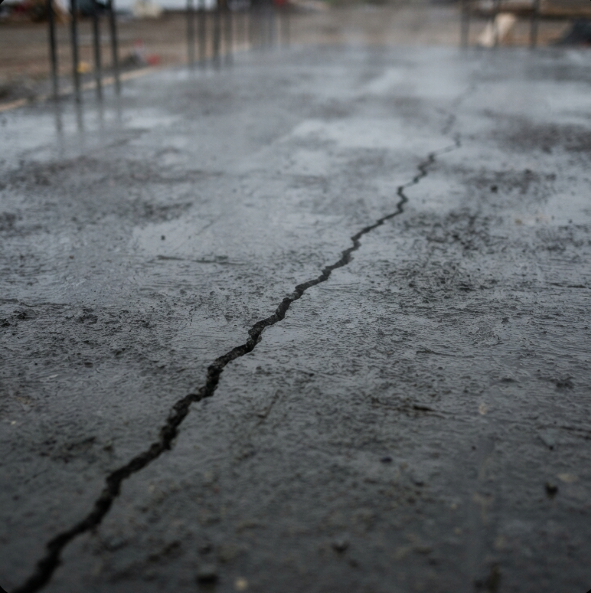
That gap is where many durability problems begin.
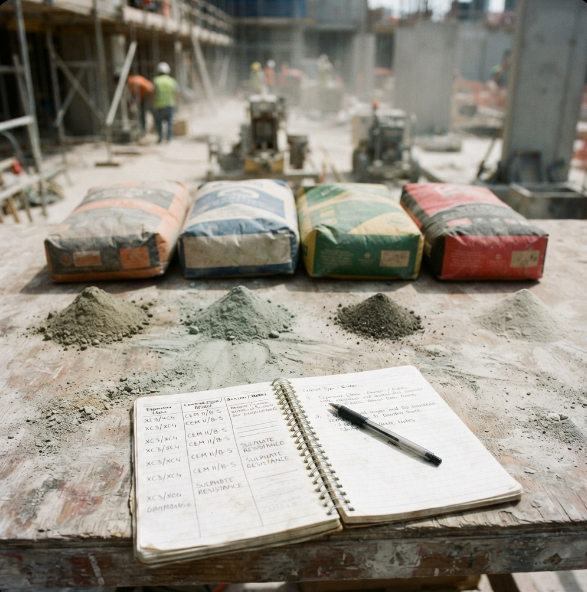
Cement isn't a commodity where brand is the only variable.
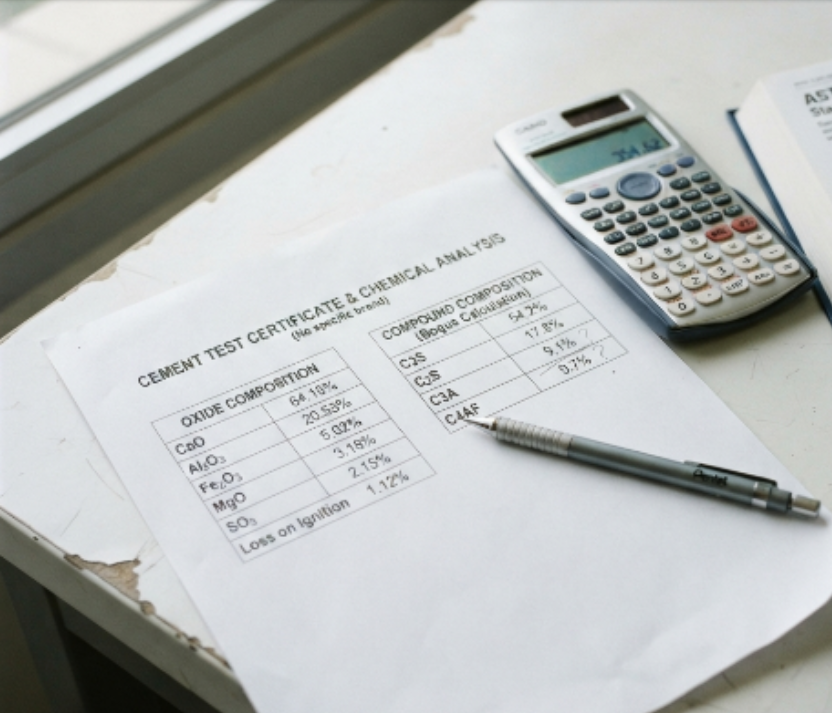
OPC, PPC, PSC, and SRC are fundamentally different materials with different hydration behaviour, heat generation, durability, and ideal applications.
Specifying only "cement" is a durability decision made by omission.
𝐎𝐏𝐂 (𝐎𝐫𝐝𝐢𝐧𝐚𝐫𝐲 𝐏𝐨𝐫𝐭𝐥𝐚𝐧𝐝 𝐂𝐞𝐦𝐞𝐧𝐭)
• High early strength and high heat of hydration.
• Best for precast, rapid formwork removal, and cold-weather concreting.
• Not ideal for mass concrete or aggressive exposure conditions.
𝐏𝐏𝐂 (𝐏𝐨𝐫𝐭𝐥𝐚𝐧𝐝 𝐏𝐨𝐳𝐳𝐨𝐥𝐚𝐧𝐚 𝐂𝐞𝐦𝐞𝐧𝐭)
• Fly ash blended cement with lower heat and better long-term durability.
• Ideal for mass concrete, infrastructure, hydraulic works, and hot-weather concreting.
• Widely used in India, but fly ash content and quality can vary significantly between manufacturers.
𝐏𝐒𝐂 (𝐏𝐨𝐫𝐭𝐥𝐚𝐧𝐝 𝐒𝐥𝐚𝐠 𝐂𝐞𝐦𝐞𝐧𝐭)
• GGBS blended cement with low heat, low permeability, and excellent resistance to chloride and sulfate attack.
• Well suited for marine structures, coastal infrastructure, foundations, and water-retaining structures.
• Technically underutilised despite its durability advantages.
𝐒𝐑𝐂 (𝐒𝐮𝐥𝐟𝐚𝐭𝐞-𝐑𝐞𝐬𝐢𝐬𝐭𝐢𝐧𝐠 𝐂𝐞𝐦𝐞𝐧𝐭)
• Low C3A content to resist sulfate attack.
• Intended for sulfate-bearing soils, sewage, and industrial environments.
• Essential where sulfates exist, unnecessary where they don't.
The takeaway:
Every concrete element has an exposure condition. Every exposure condition deserves an appropriate cement type.
That decision should be made during design, not left to procurement.
Author - Buildonomics Research Team