Here is what happens inside a thick concrete element after casting.
Cement hydrates. Hydration generates heat. In a thin slab, that heat dissipates quickly. In a thick element a raft foundation, a massive column, any section exceeding 600–800mm the heat cannot escape fast enough.
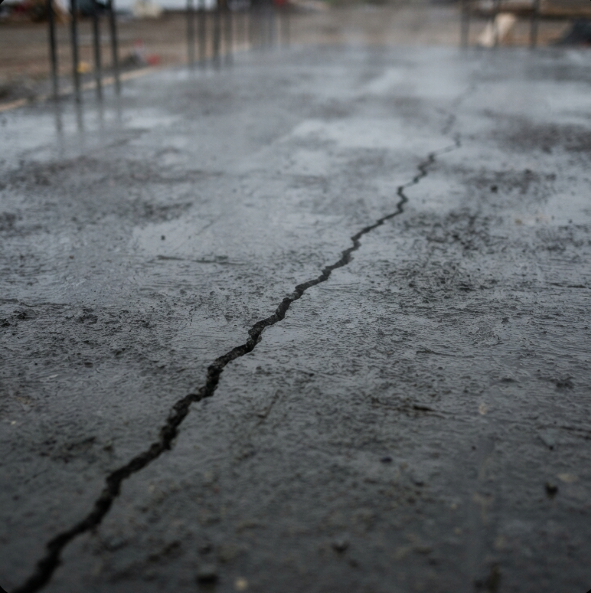
The core temperature rises. The surface, exposed to ambient conditions, stays cooler. The hot core tries to expand. The cooler surface restrains it. The surface goes into tension. When that tensile stress exceeds the concrete's early-age tensile strength surface cracks form. Before any load. Before formwork removal. Pure chemistry and thermal physics.
𝐓𝐡𝐞 𝐜𝐨𝐦𝐩𝐨𝐮𝐧𝐝 𝐫𝐞𝐬𝐩𝐨𝐧𝐬𝐢𝐛𝐥𝐞:
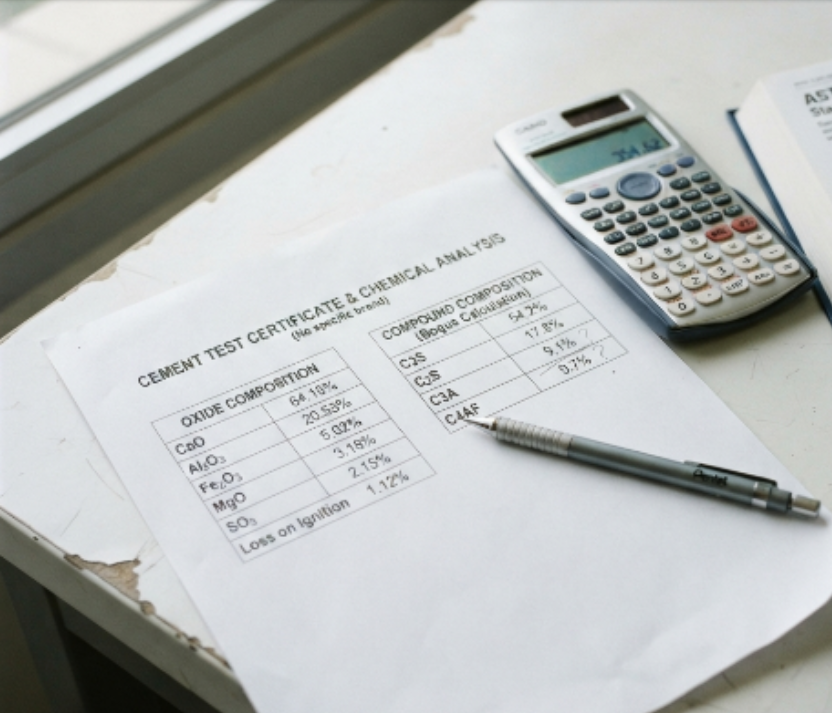
C3A Tricalcium Aluminate generates approximately 865 J/g during hydration. More heat per gram than any other compound in Portland cement.
C3S: ~500 J/g. C2S: ~260 J/g. C4AF: ~420 J/g.
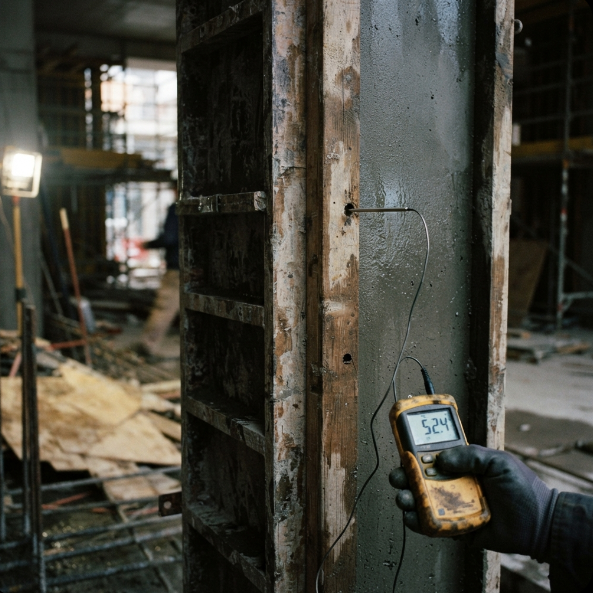
In high-C3A OPC, core temperatures in uncontrolled mass concrete pours can reach 65–75°C. On a 30°C ambient day, that's a differential of 35–45°C well beyond the 20°C threshold where thermal cracking risk becomes significant.
𝐓𝐡𝐞 𝐬𝐩𝐞𝐜𝐢𝐟𝐢𝐜𝐚𝐭𝐢𝐨𝐧 𝐫𝐞𝐬𝐩𝐨𝐧𝐬𝐞:
The tools are well established and codified in ACI 207 and IS 457:
→ Low heat or moderate heat cement lower C3A and C3S by design
→ GGBS at 50–70% replacement significantly lower heat generation
→ Fly ash at 20–35% similar thermal benefit, widely available
→ Pre-cooling of mixing water and aggregates
→ Post-cooling by embedded pipe systems
→ Surface insulation reduces differential by slowing surface heat loss
None of these are experimental. They are standard mass concrete engineering practice.
𝐓𝐡𝐞 𝐫𝐞𝐚𝐥 𝐩𝐫𝐨𝐛𝐥𝐞𝐦:
The solutions are known. The problem is that thermal risk isn't recognised until cracks appear. A raft foundation specified as M40 OPC with no thermal analysis and standard curing is a thermal cracking risk that most structural specifications never flag because thermal performance is a concrete technology question, and structural specifications are written by structural engineers. The gap between structural design and concrete technology is where thermal cracks live.
Author - Buildonomics Research Team